
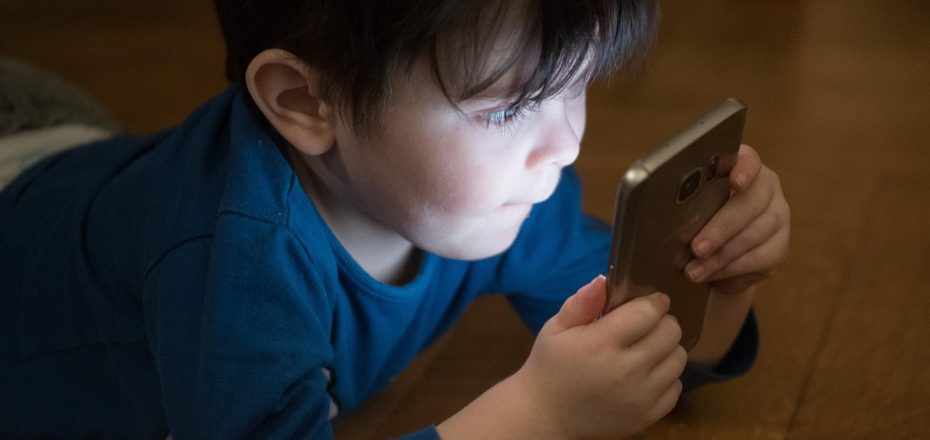
Let’s be honest, most of us have handed over a phone or tablet to keep our child calm, quiet, or occupied while we juggle life’s demands. No judgement. I’ve worked with countless parents who rely on tech just to get through the day. But here’s the catch: when technology consistently becomes a stand-in for engagement, comfort, or play, we may be missing a crucial opportunity to nurture connection.
The question isn’t if we use screens, it’s how often and why we’re relying on them.
Technology can be helpful, but is it replacing connection? Explore the risks of using screens as a child minder and what to do instead.
The Digital Nanny Dilemma
Screens offer instant entertainment and calm tantrums faster than any parenting book. But the trade-off comes with long-term consequences. When devices are used regularly to soothe, distract, or manage behavior, children may not develop the skills they need to:
- Self-regulate their emotions
- Express themselves without frustration
- Build patience and resilience
According to a study in JAMA Pediatrics, increased screen time in young children was linked to delayed development in language and social-emotional skills.
In other words, every moment a screen is filling in as a caregiver is a moment that a child might otherwise spend learning to cope, connect, or create.
Why It’s Easy to Fall into This Trap
We’re exhausted. Life is demanding. Sometimes we need a break, and screens offer a guilt-free way to grab a few moments of peace. That’s understandable. But when this becomes the default solution, it can affect your child’s sense of emotional safety.
Children thrive on real-time interactions. A parent’s facial expression, tone of voice, and physical presence are irreplaceable. These human cues help kids feel seen, safe, and soothed, something technology simply can’t replicate.
So, What’s the Alternative?
I’m not advocating for zero screen time (that’s not realistic for most families), but rather mindful and limited use. Try these alternatives to tech-based babysitting: Adapt to age – appropriate activities.
- Create a “boredom box” with age-appropriate toys, books, and puzzles.
- Offer sensory play: water trays, sand, clay, or drawing supplies.
- Set up safe, supervised independent playtime in your presence, your child can play nearby while you work, cook, or rest.
- Use short moments of connection before separation. A few minutes of focused attention can go a long way in calming your child.
When screens are used, choose educational or calming content, and watch with them when possible, to encourage interaction.
Parenting Support Isn’t About Shame—It’s About Strategy
You’re not a “bad parent” if you’ve used technology to cope. I help parents like you every day create more balanced, intentional family environments, without perfection, pressure, or shame.
With the right tools, you can gently shift away from reactive parenting and into something more connected and sustainable. The transformation is possible and deeply rewarding.
Let’s Take the First Step Together
I invite you to schedule a free, no-obligation 30-minute online introductory meeting where we can chat about your family’s unique rhythm and challenges. We’ll also explore how my 12-session Peaceful Parenting Package Program, tailored to you, can help you build stronger bonds, create structure, and raise resilient children.
I bring decades of experience and proven tools to the table. All you have to bring is your willingness to try something new.
Citations:
Madigan, S., Browne, D., Racine, N. et al. (2019). Association Between Screen Time and Children’s Performance on a Developmental Screening Test. JAMA Pediatrics, 173(3), 244–250. https://jamanetwork.com/journals/jamapediatrics/fullarticle/2722666- American Academy of Pediatrics. (2016). Media and Young Minds. Pediatrics, 138(5). https://doi.org/10.1542/peds.2016-2591