
Watching your child grapple with exclusion, whether on the playground, in the classroom, or online, can be heart-wrenching. As a Parenting Coach, I’ve worked with countless families who feel helpless as their children face the pain of being excluded. It’s more than just hurt feelings. Repeated exclusion can impact your child’s confidence, self-esteem, sense of safety, and ability to form healthy connections.
Living in an all-consuming digital world, social media adds a whole new layer of pressure and potential pain. Seeing peers post about parties, group outings, or friend hangouts they weren’t invited to can feel like a public rejection for your child. What might once have been a passing moment of exclusion is now frozen online, viewed, shared, and liked, amplifying feelings of unworthiness and disconnection.
Here’s how you can support your child with empathy, understanding, and calm guidance.
1. Create a Safe Emotional Space
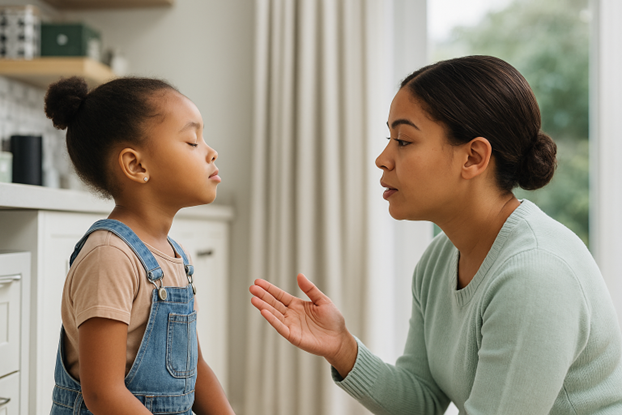
Start by letting your child express their feelings. Whether it’s sadness, anger, or embarrassment, they need to feel seen and heard. Avoid rushing in to fix things right away. Instead, say:
“I can see this is really painful for you. I’m here. Let’s talk about it.”
Let them lead the conversation, knowing they can trust you with their vulnerability.
Don’t dismiss their feelings with expressions like: “It will pass over, and tomorrow you’ll feel better.” Do not encourage them to retaliate either by posting something equally hurtful.
Don’t place judgement on their feelings like telling them that they’re over-sensitive. Rather focus on your child’s feelings and remind them of their worth.
Really listening, hearing, and acknowledging your child’s feelings creates the path to open communication where they know that you are there to talk to, and their safe place to fall. Acknowledging their feelings is the best starting point, along with giving them time and space to listen. Let them express their feelings. Reflect how they feel without marginalising what they are saying. Holding them, allowing them to cry while embracing them is often of greater value than words. Being a sounding board is of significant importance as a parent. Listening to jump in with answers and advice when they are sitting with raw emotions does not serve them in healing.
2. Talk About the Illusion of Social Media
Remind your child that what they see online is curated, filtered, and often exaggerated. Explain that people tend to post their “highlight reels,” not their real struggles. Being excluded can feel worse when it’s broadcast online, but it’s not a true reflection of their worth or likability.
Encourage taking breaks from social media when it feels overwhelming or toxic. Above all, listen to your child, let them know they are heard, and that it hurts you when they feel sad because you love them so much.
3. Teach Coping Tools Through Role-Play
Explore how to respond when left out or teased. Role-playing can help children practice assertive but kind responses, or how to seek out more inclusive friendships. These conversations build resilience and social skills.
4. Encourage Broad Social Connections
Support your child in joining new clubs, sports, or community events where they can meet others who share their interests. Helping them feel part of something boosts their confidence and gives them a fresh social circle to explore. We all have the need for belonging.
5. Model Inclusion and Emotional Intelligence
Children learn by watching you as their parent and role model. Show kindness, empathy, and inclusion in your daily life, whether it’s with neighbors, friends, or strangers. How you handle your own social relationships teaches them how to manage theirs.
6. Boost Inner Confidence
Help your child see their strengths. Acknowledge their talents, effort, and kind heart. If their identity is rooted in their inner qualities, not external validation, they’ll be less shaken by rejection or exclusion. The earlier this is done for a child, the more equipped they will be to deal with life’s knocks.
We all know that exclusion occurs in many areas of one’s life and at all ages and stages. Dealing with the feelings from early on in life, and especially reinforcing their strengths, is a great asset in helping them as they get older.
This may happen in the classroom, on the playground, at a party, in a job situation and even in adult social situations. Nobody enjoys exclusion, but when we have gained the tools from a young age to draw from our inner resources, we may still hurt, but hopefully with less intensity. Hopefully we will also learn to be sensitive to the feelings of others too. This is a value lesson that as a parent can be discussed with your child.
7. Set Healthy Boundaries Around Devices
It’s okay to set limits around social media use, not as punishment, but as protection. Discuss the emotional impact of screen time and encourage device-free periods that promote real-world interaction and family connection.
Final Thoughts
Social exclusion is painful. But it can also be an opportunity to build resilience, self-awareness, and strong family bonds. With your calm support and guidance, your child can learn to navigate difficult social experiences with strength and self-compassion.
Remember: your presence is powerful. Just knowing you’re on their side can help your child feel safe, loved, and capable, even when the world feels unkind.
If you’re struggling with how to support your child through these experiences, I’m here to help. Peaceful parenting isn’t about perfection, it’s about connection, understanding, and guiding our children with empathy.
When signing up for the Peaceful Parenting Package, this is a topic you may wish to discuss. I will guide you with further tips how to overcome the feelings of rejection.