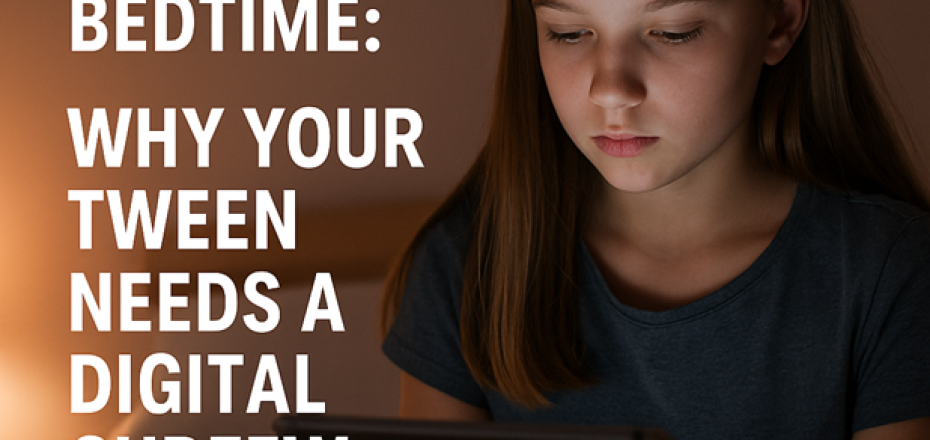
Evening screen time can rob tweens of precious sleep and affect their moods, focus, and well-being. As a parenting coach, I will share why and how to create calm, screen-free evenings.
Screen Time Before Bedtime: Why Your Tween Needs a Digital Curfew
As parents, we’ve all been there, our tween curled up with their phone, scrolling through TikTok’s, texting friends, or watching “just one more episode.” It’s easy to think of it as harmless downtime before bed. But when bedtime keeps slipping later and mornings become a battle, there’s often a simple culprit: screens.
In my coaching practice, I see this pattern all the time. Tweens are growing, learning, and craving independence, but they’re also navigating the pull of digital devices designed to keep them hooked. The result? Too little rest, groggy mornings, and shorter fuses.
Let’s unpack what’s really happening and how you can gently reclaim bedtime peace without turning your home into a battleground.
The Hidden Cost of Screens Before Sleep
Screens aren’t evil, but they are powerful. Between the bright light, endless notifications, and social energy of messaging friends, your child’s brain is being told, “Stay awake!” instead of “It’s time to wind down.”
The blue light emitted by phones and tablets can delay the release of melatonin, the hormone that signals it’s time to sleep. Add in FOMO (fear of missing out) or the “just one more” scroll, and bedtime can easily stretch an hour later. Over time, this can lead to tired mornings, mood swings, reduced focus, and even lower motivation.
When kids are constantly wired, they lose the restorative, deep sleep that helps them process the day’s emotions, focus at school, and manage friendships calmly.
Why Boundaries Help Your Tween Feel Safe
Parents often tell me they feel guilty setting screen limits. But boundaries aren’t punishments, they’re protection. Tweens may roll their eyes, but clear, predictable routines give them a sense of security.
Setting a screen curfew sends the message: “I care about your rest and your health.” When enforced consistently (and kindly), your tween learns that balance isn’t about restriction, it’s about self-respect.
Start small:
- Agree on a device-off time—ideally 30 to 60 minutes before bed.
- Create a wind-down ritual—reading, journalling, listening to soft music, or chatting together.
- Make bedrooms screen-free zones. If removing devices completely feels like too much, try charging them outside the room or on “Do Not Disturb.”
When Connection Replaces Control
Tweens crave autonomy, so involve them in the process.
Ask:
“What helps you relax before bed?”
“How do you feel in the morning after being on your phone late?”
By inviting reflection instead of demanding obedience, you’re building awareness. You’re also modelling emotional intelligence by showing them how to notice cause and effect in their own habits.
You might be surprised how willing they become when the goal isn’t punishment but partnership.
Practical Ways to Calm the Digital Chaos
Here are a few strategies families I work with have found helpful:
- Keep evening lighting soft and warm; bright lights can trick the body into thinking it’s daytime.
- Encourage screen-free family time after dinner, even 15 minutes of talking or laughing together builds connection.
- Avoid “just one more episode” traps by agreeing on a clear cutoff before starting shows or games.
- Model what you ask of them, if you’re scrolling late, they’ll notice.
Consistency and compassion go hand-in-hand. You can be both firm and loving, it’s one of the greatest gifts we give our children.
The Bigger Picture
This isn’t about taking away joy or cutting off their world. It’s about teaching healthy balance. a skill that will serve them for life. As a parenting coach, I often remind families that the goal isn’t perfection, it’s presence. When evenings become calmer, bedtime becomes gentler, and mornings become smoother, everyone wins.
Let’s Create Your Calmer Nights Together
If your tween’s bedtime routine has become a nightly struggle, or if screen battles are creating tension, I can help. Book a free, no-obligation 30-minute online meeting with me to explore your family’s needs and discover strategies that work for your child.
We can discuss my offering of the12 × 60-minute Peaceful Parenting Package Program in our 30-minute free online meeting.
Together, we’ll turn those stressful nights into peaceful ones.
Citations: