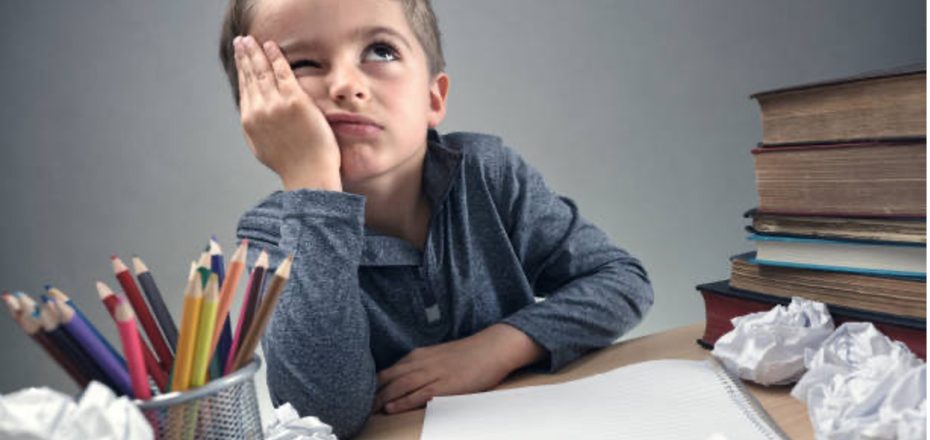
You’ve noticed that for the past week, your 9-year-old son, Josh, has been coming home from school looking drained. He’s been quieter than usual, shrugging when you ask about his day. Yesterday, he snapped at his younger sister over something small which for him was completely out of character. Then today, when you reminded him about tennis practice (which he usually loves), he mumbled, “I don’t feel like going.” That’s when it clicked; something’s wrong.
That evening, while making dinner, you casually ask, “Hey buddy, I’ve noticed you haven’t been yourself lately. Want to talk about it?” At first, he shakes his head, but after a moment, he sighs and says, “There’s this kid at school… he keeps calling me names. He makes fun of me in front of everyone, and no one says anything. I just feel… really bad.”
Your heart sinks, but you take a deep breath. This is one of those moments where your reaction matters. You want to help without making him feel worse.
What Is Bullying?
Bullying is more than just teasing or occasional meanness. It is repeated, intentional harm, whether through words, actions, or exclusion. It is deliberately meant to make someone feel small. It can be verbal (name-calling, insults), social (spreading rumours, excluding someone), physical (pushing, hitting), or even digital (cyberbullying).
While bullying is painful, your child is not powerless. With the right support and tools, they can handle this challenge and come out stronger.
What You Can Say to Your Child
💙 “I’m so sorry this is happening. You don’t deserve this.”
The first thing your child needs to hear is that their feelings are valid. Let them know that what’s happening is not their fault.
💙 “Let’s talk about ways you can handle this.”
You can brainstorm responses together. Depending on the situation, Josh might ignore the bully, respond confidently (“That’s not okay, stop it”), or, if needed, talk to a teacher. Practicing at home can help him feel more prepared.
💙 “You know, in our family, we believe in being good to others, and acting with kindness, even when others don’t.”
This doesn’t mean letting people walk all over you. It means choosing how you respond, with strength, wisdom, and self-respect. Even when others behave cruelly, we don’t have to sink to their level. Standing up for yourself is part of having self-respect. It’s just how you do it. So, Josh, let’s look at how we can deal with this.”
💙 “You are not alone.”
One of the hardest things about bullying is feeling isolated. Make sure your child knows they can always come to you, and that together, you will figure out a plan.
Children are naturally vulnerable, and their self-esteem is still developing. When they experience bullying, it can shake their confidence and make them question their worth. That’s why open communication is so important. They need to feel heard, supported, and reassured that they are valued.
As parents, negativity can be counteracted by consistently reinforcing their strengths, whether it’s their kindness, creativity, sense of humor, or resilience. Remind them that their worth is not defined by others’ opinions but by the unique and special person they are. By nurturing their self-esteem, we help them build their inner strength to rise above challenges and face the world with confidence.
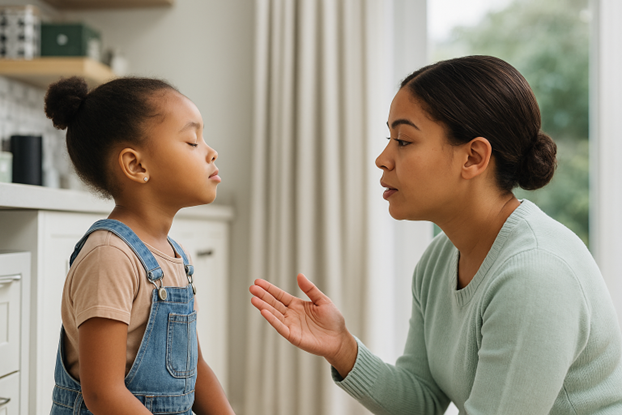
Keep your language age-appropriate and stop talking when you see that they are feeling overwhelmed or tearful. Cuddle them so that they feel safe, loved, heard, and nurtured. Sometimes, just holding your child and having the physical contact is more reassuring than words. Choose the right moment and do not overload them with input all at once. They will absorb in bite size pieces. Take your cue from your child and be mindful of their body language.
Ways to Help Your Child Feel Stronger
✔ Encourage them to talk to someone
If they’re nervous about speaking to a teacher, help them find the words. Role-playing at home can make it easier when the moment comes.
✔ Remind them of their worth
Bullies try to make others feel small. Counteract that by reminding your child of their strengths. “You are funny, kind, and an amazing tennis player! This one kid doesn’t get to decide who you are.” No one can take away that worth.
✔ Help them find their people
Encourage friendships with kids who treat them well. A strong support system makes a big difference.
✔ Teach them confidence tricks
Body language matters. Standing tall, making eye contact, and using a strong (but calm) voice can make a bully think twice.
✔ Focus on what they can control
They may not be able to stop a bully’s words, but they can choose how they react, who they spend time with, and how they see themselves.
Most importantly, keep the conversation open. Let your child know that no matter what, they can always come to you. Together, you’ll get through this, and they’ll come out even stronger.
Gently explain to your child that kids who bully others are often struggling with their own problems. They might feel insecure, unhappy, or even pressured by others to act tough. Sometimes, they don’t know a better way to express their feelings, so they put others down to feel more powerful. This doesn’t make their behavior okay but understanding this can help us see that their actions are more about them than about you. The most important thing to remember is that their words or actions don’t define who you are. Bullies so often are crying out for love and attention in a way that they are battling to express. Trying to be kind to them may even diffuse the situation, but each incident must be assessed for what it is.
If the situation isn’t improving despite your efforts to support your child, consider reaching out to the school counselor for guidance and intervention. Their experience and perspective can provide valuable strategies to help resolve the issue effectively.
You may wish to consider contacting me for a free half-hour meeting to discuss how subscribing to my Peaceful Parenting Package will be of benefit.
………………………………………………………………………………………………
For further expert guidance on supporting your child through bullying, consider these resources which provide valuable insights into understanding and addressing bullying.
Citations:
- “How to Help a Child Who’s Being Bullied” by Signe Whitson, L.S.W., offers practical strategies for parents to assist their children in coping with bullying.
- American Psychological Association: https://www.apa.org/topics/bullying/prevent
These articles offer valuable insights from child psychologists and educators, aligning with professional expertise.
Top of Form
Bottom of Form