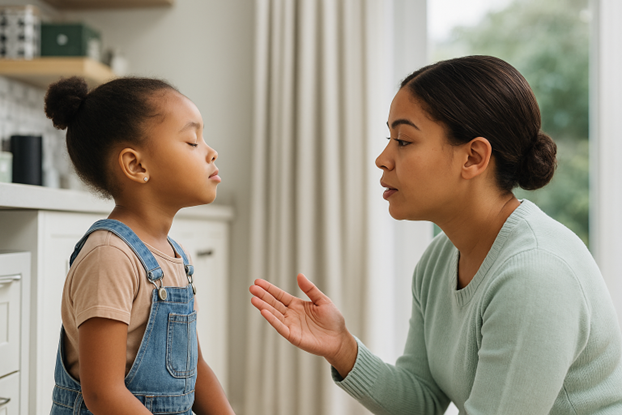

Parenting is a journey filled with joys and challenges. For single parents, this journey can be uniquely demanding yet profoundly rewarding. Whether by choice or circumstance, raising a child alone is a testament to resilience and love. As your Peaceful Parenting Coach, I am mindful that single parenting isn’t about doing it all, it’s about doing what matters most, with intention and heart.
Embracing the Single Parent Experience
Single parenting comes in many forms, each with its own set of circumstances. What’s universal is the commitment to nurturing a child’s growth and well-being. It’s important to recognize that being a single parent doesn’t mean being alone. Support, resources, and community are available to help you thrive in your role.
Practical Strategies for Single Parents
1. Establish Consistent Routines
Children find comfort in predictability. Setting regular schedules for meals, bedtime, and activities can provide a sense of security and help manage daily responsibilities more effectively. I am not an advocate for rigidity. Consistent routines support children’s development and ease parental stress, but in our meetings, we will discuss where flexibility may be introduced. We all know that life happens and expecting to live by hard and fast rules and time schedules isn’t always practical.
2. Prioritize Quality Time
Even brief moments of focused attention can strengthen your bond with your child. Engage in activities you both enjoy and be genuinely present during these times. Quality interactions, like shared meals or bedtime stories, foster positive relationships. In our meetings I address time spent on devices. I encourage parents, be they single or not, to be mindful of capturing moments that are sometimes substituted by devices. There are many valuable opportunities that are missed when parents and children engage with devices instead of with each other.
3. Encourage Open Communication
Create an environment where your child feels safe expressing thoughts and emotions. Active listening and honest conversations build trust and emotional intelligence. In our meetings we will discuss the importance of open dialogue in strengthening parent-child connections.
4. Set Clear Boundaries
Establishing and maintaining consistent rules helps children understand expectations and develop self-discipline. Consistency in discipline provides a stable framework for behavior. Clear boundaries contribute to a child’s sense of security. We will discuss setting boundaries and what is relevant to your specific child, and their age.
5. Practice Self-Care
Taking care of your own physical and mental health is crucial. Regular self-care routines, such as exercise, adequate sleep, and time for relaxation, enable you to be more present and patient with your child. I highlight the importance of self-care in managing the demands of single parenting.
The Peaceful Parenting Approach
My Peaceful Parenting philosophy centers on empathy, authenticity, respect, and understanding. By focusing on connection rather than correction, this approach encourages cooperative behavior and emotional growth. It’s about guiding children with compassion, setting clear expectations, and nurturing their innate potential.
Takeaway: You Are Not Alone
Single parenting is a journey filled with challenges and triumphs. Remember, seeking support is a strength, not a weakness. Whether through community resources, professional guidance, or connecting with other single parents, help is available. Embrace the journey with confidence, knowing that with love, patience, and support, you and your child can thrive.
Ready for Personalized Support?
If you’re seeking tailored guidance to navigate single parenting, consider reaching out to me, the Peaceful Parenting Coach. My personalized approach can help you address your unique challenges and empower you to create a nurturing environment for your child.
Citations:
- Child Focus: A Single Parent’s Guide to Success
- Raising Children Network: Single Parents & Positive Parenting
- Single Mother Survival Guide: Building a Strong Parent-Child Relationship: Ten Tips