Cultural diversity: raising children to embrace acceptance and harmony.
Cultural diversity should be celebrated, not feared. Let’s delve into how to teach children open-mindedness, respect, and acceptance to help build a more harmonious world.
Introduction: People Are People
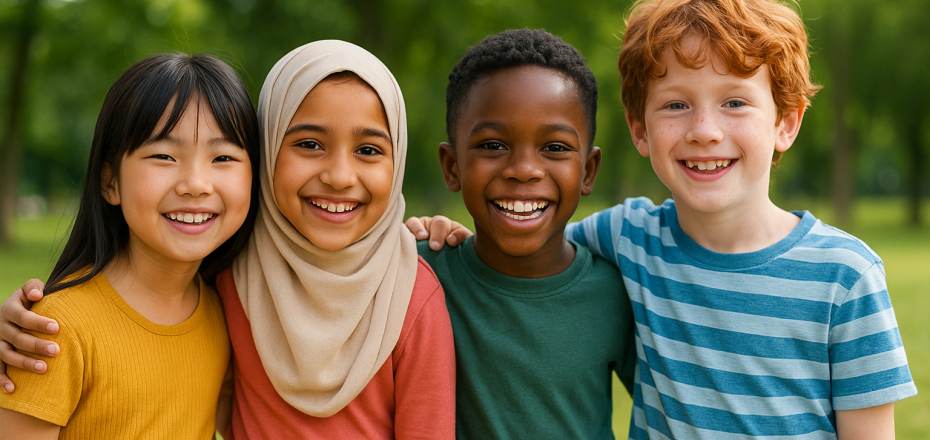
Around the world, people differ in how they look, speak, worship, dress, and celebrate. But underneath it all, we are the same: human beings with the same biological functions and the same need for connection. When children are young, they naturally see friends, not skin colours, languages, or religions. It is only later, as biases and fears are passed down, that differences can create barriers. As parents, we have the power to shape how the next generation views cultural diversity.
What Is Cultural Diversity?
Cultural diversity simply means living in a world where people from different traditions, beliefs, and backgrounds exist side by side. In its healthiest form, it allows us to learn from one another, share values, and celebrate differences rather than fear them.
But diversity becomes a problem when it is clouded by ignorance, prejudice, and fear. Many harmful attitudes are passed down without credible evidence where ideas are rooted in hearsay rather than truth. This kind of indoctrination fuels the “isms” (racism, sexism, ageism) and the “phobias” (xenophobia, homophobia, Islamophobia, etc.) that divide our world.
Ignorance Versus Understanding
Fear is often based on ignorance. When children are taught to fear what they do not understand, they can grow into adults who judge rather than accept. The opposite is also true: when children are encouraged to learn, explore, and respect others, they become adults who are open-minded and fair.
Education plays a crucial role. Parents who share facts, not unfounded opinions, empower their children to think critically. By doing so, they stop harmful cycles of bias and prevent the spread of stereotypes.
Why Cultural Diversity Matters for Children
- It teaches acceptance: Children learn that people are different, but not less.
- It builds empathy: Exposure to different customs fosters compassion and kindness.
- It encourages open-mindedness: Learning about other cultures prepares children for a globalised world.
- It reduces prejudice: Children raised with awareness are less likely to fall prey to harmful “us versus them” thinking.
What Parents Can Do
- Model respect at home. Children mimic adult behavior. Show acceptance in your words and actions.
- Celebrate differences. Share books, meals, and traditions from diverse cultures.
- Challenge biases. If a child repeats a stereotype, gently correct it with facts.
- Encourage questions. Create a safe space where children can ask and learn without fear of judgement.
- Normalise diversity. Treat cultural difference as an everyday reality, not something unusual.
Striving For a Harmonious World
If children grow up embracing diversity, they will contribute to a healthier, more accepting society. Over time, this can help dissolve hatred, fighting, and division. We cannot paint all people with the same brush. When cultures come together with understanding, they create stronger communities, better workplaces, and a more peaceful world.
A Message to Parents
If you are struggling with cultural diversity, perhaps a family member has married across cultures and you’re unsure how to explain this to your child or how to embrace the new family dynamic, please know you’re not alone. I invite you to contact me for a free, no-obligation 30-minute online meeting where we can talk through your challenges in a safe, non-judgmental, and confidential space. We can discuss my 12 × 60-minute Peaceful Parenting Package Program.
Together, we can help raise children who value humanity, morals, and acceptance, creating a world where harmony is possible.
Citations: