When a grandparent with dementia lives in a multigenerational household, the emotional impact on children can be complex. Parenting Behavioral Coach Roberta Shagam offers guidance on navigating this with empathy and safety.
When Dementia Lives with You: Multigenerational Challenges in the Home
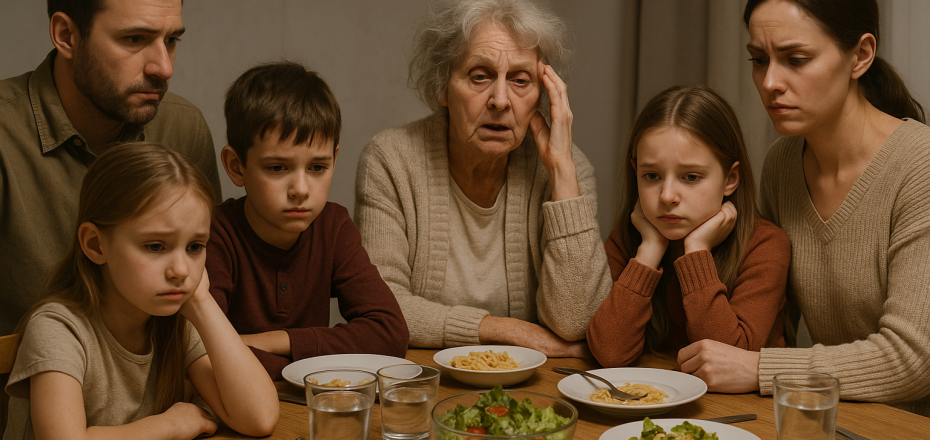
Dementia isn’t something that happens in isolation, it affects everyone in the home. When three generations live under one roof, and the grandparent begins to decline cognitively or behaviorally, the emotional ripple can be deeply unsettling.
For many families, welcoming an aging parent into the home is an act of love. But when dementia enters the picture, it can dramatically alter the dynamics, especially for young children and teenagers who may not understand what’s happening.
The Family Stress Triangle
Living with someone who has dementia can be chaotic and unpredictable. Parents often find themselves sandwiched between the responsibilities of caregiving and parenting, while trying to maintain peace and routine. Tensions can escalate. Schedules get disrupted. Emotional exhaustion builds.
Children may begin to see changes in their beloved grandparent: forgetfulness, mood swings, odd behavior, or even aggressive outbursts. While this experience can offer powerful life lessons in compassion, empathy, and patience, it can also be frightening, embarrassing, or confusing, especially if friends visit and witness unfamiliar or erratic behavior.
The Child’s Perspective: A Lesson and a Burden
Children are observant. Even if you try to shield them, they notice the changes. A grandparent may forget their name or repeat the same story five times in one sitting. They may yell or accuse others of stealing. For a child, these shifts can feel like the grandparent they love is slowly vanishing, and that loss can be deeply unsettling.
Without proper support, children may feel embarrassed to have friends over, afraid of what the grandparent might do or say. They might also internalize blame or grow resentful. These emotional reactions are valid and deserve thoughtful attention.
Creating Safety and Structure
When dementia is part of the household, practical safety precautions are critical. You may need to:
- Lock away medications and dangerous household items.
- Install safety gates, motion detectors, or stove guards.
- Monitor wandering behavior.
- Limit unsupervised interactions between the child and grandparent when safety might be compromised.
Emotional safety is just as important. Talking openly to your child in age-appropriate language helps demystify the changes they’re witnessing. Reassure them that their grandparent’s behavior is not their fault, and that dementia is a disease, not a personality flaw.
Where I, Roberta Shagam, Your Parenting Behavioral Coach Step In
Navigating this kind of emotionally charged environment is no small task. This is where I come in as a Parenting Behavioral Coach with extensive experience in family dynamics. My role is to support parents in managing stress, setting boundaries, and explaining sensitive topics like dementia in ways that children can understand.
Together, we can explore how to help your child process the changes without fear, frustration, or guilt. I also help you establish routines that offer structure while encouraging empathy and resilience.
When a child is empowered with knowledge and supported emotionally, they’re more likely to view this chapter not just as a hardship, but as an opportunity for profound growth.
You Don’t Have to Navigate This Alone
If your household is juggling the complexities of dementia and parenting under the same roof, know that you’re not alone. Support is available. Let’s work together to create a home environment that is safe, supportive, and emotionally balanced for all generations.
Book a free, no-obligation 30-minute online meeting with me, and let’s explore how my 12 x 60-minute online sessions Peaceful Parenting Package Program can guide your family through this challenging time with confidence and care.
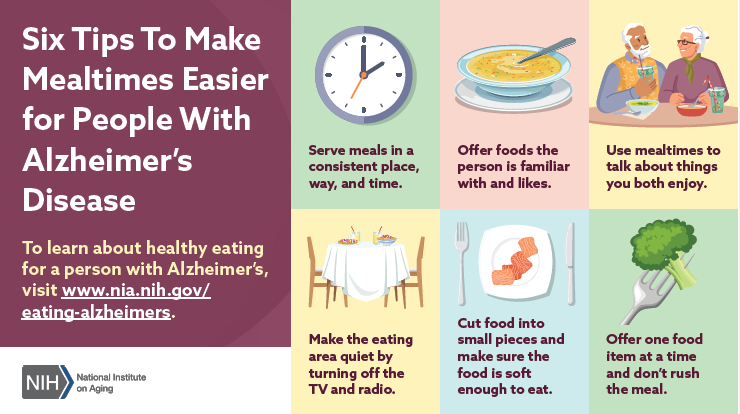
In our online meetings, we’ll explore a variety of strategies tailored to the specific challenges and needs you bring to each session. I’ll equip you with practical tools to help you implement these approaches effectively. As a starting point, I’m sharing a free infographic related to managing dinner time. We’ll work through all concerns together, and I’ll support you in finding manageable, realistic solutions.
Contact me today to take the first step in restoring calm and understanding in your home.
Citations: