As a parenting coach, one of the patterns I see often in my work with families is what psychologists call anxious attachment. It’s heartbreaking, because it shows up as deep fear, clinginess, and emotional distress in children, especially around separation or when connection feels threatened.
While the term might sound clinical, it’s actually quite common, and highly treatable with the right approach. The goal is never to blame, but to understand what your child is communicating beneath the behaviors.
Does your child struggle with separation, clinginess, or fear of rejection? Learn about anxious attachment and how peaceful parenting can help.
What Is Anxious Attachment?
Anxious attachment forms when a child feels uncertain about their caregiver’s availability or emotional presence. It can develop even when love is present, but where consistency and emotional attunement may have been unpredictable.
Children with anxious attachment often:
- Cling or panic when you leave
- Worry they’ve done something wrong
- Seek constant reassurance
- React strongly to perceived rejection
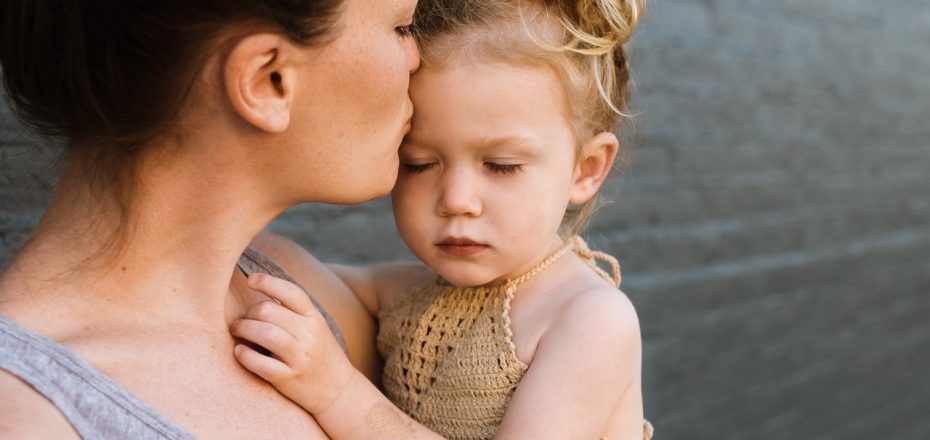
They might seem “too sensitive” or “needy,” but what they really need is safety and security, and reassurance that your love doesn’t disappear when you’re out of sight.
Where Does It Come From?
Attachment styles are formed early, based on repeated emotional experiences. They’re not about one bad day or one mistake, they come from patterns.
Sometimes anxious attachment develops in children who:
- Experienced frequent separations or inconsistent care
- Had a parent who was emotionally overwhelmed, stressed, or unavailable
- Felt that love had to be “earned” through performance or perfection
This isn’t about blame, it’s about awareness. Parenting is hard, especially when you didn’t have a secure attachment yourself. The good news is attachment styles are not static. They can shift, heal, and strengthen over time.
Supporting Your Child Through Anxious Attachment
As a Peaceful Parenting Coach, I help parents gently repair these patterns by becoming a safe emotional anchor. Here are some steps you can take:
- Stay calm and consistent. Your presence, even when your child is upset, builds trust.
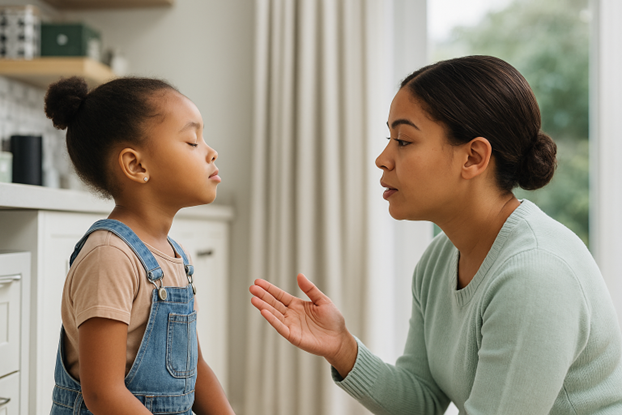
- Validate their feelings. Saying, “I know it’s hard when I leave” can be far more healing than “You’re fine.”
- Create rituals of connection. Special goodbye routines or daily check-ins help ease separation anxiety.
- Avoid withdrawal during conflict. Reassure your child that your love remains even when there’s tension.
- Model healthy independence. Show that it’s okay to take space and come back again, that relationships are secure even through change.
A child with anxious attachment isn’t broken. They’re just seeking proof that your love is real and lasting.
You’re Not Alone—And You’re Not Failing
If this sounds familiar, I want you to know you’re not failing. Many of the parents I work with start here with a child who feels unsettled, a little too attached, or fearful of losing connection.
In my Peaceful Parenting Package Program which offers 12-online meetings of 60 – minutes each, I offer tools that help you meet your child’s needs while creating healthy boundaries. And I’ll Walk beside you, not with judgment, but with real, evidence-based strategies that have helped families for decades.
Let’s Connect and Start Healing
I offer a free, no-obligation 30-minute online introductory meeting where we can explore your child’s attachment style and discuss how I can support you with a custom approach. If you’re ready to help your child, feel truly secure, it would be my privilege to walk this path with you.
Citation:
Child Mind Institute. (2023). What Is Anxious Attachment in Children? https://childmind.org/article/what-is-anxious-attachment-in-children/