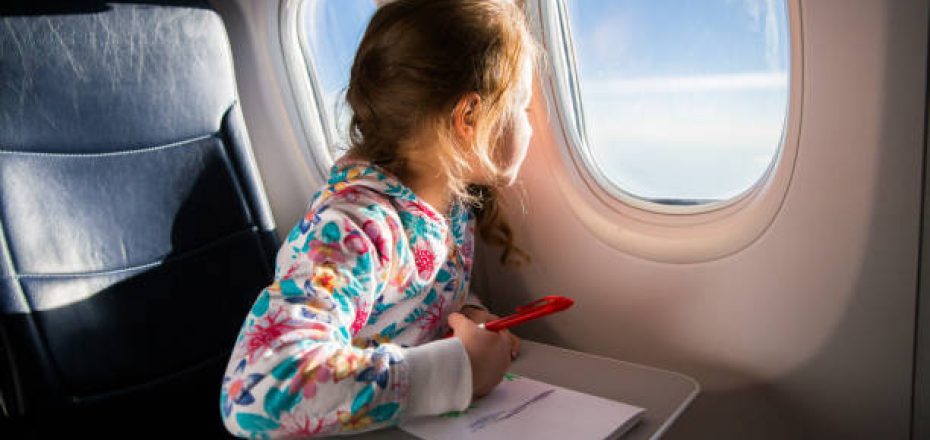
Flying With Toddlers & Young Kids: Stress-Saving Tips, Packing Lists, and Ear-Pressure Tricks
First flight with little ones? Use this parent-tested guide for smoother security, happier seats, smart snacks, ear-pressure relief, and a carry-on checklist, plus what airlines and paediatric experts recommend.
A Warm Note Before You Fly
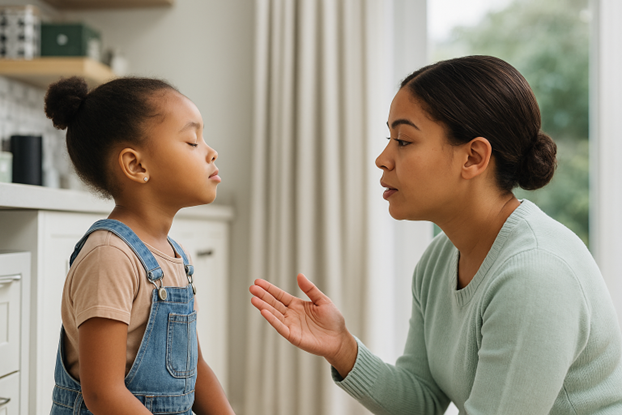
Little kids can find airports loud, seats confining, and routines upside-down. Preparation turns overwhelm into adventure. The aim isn’t a perfect flight, it’s a good-enough one where your child feels safe, occupied, and supported (and you can breathe).
What To Set Up a Week Before
- Expectations script: Walk your child through the day (security, waiting, take-off, seatbelt, quiet voice). Practice “airport manners” at home.
- Seat & safety plan: If possible, book a window seat (built-in boundary and a view). Over-the-wing seats feel steadier in turbulence. For babies/toddlers, the safest option is an FAA-approved car seat/child restraint used on board.
- Documents & policies: Check airline rules for strollers, gate-check items, and using child restraint systems (CRS). The label must state it’s approved for use in aircraft.
Smart Packing (Carry-On Only for The Mini Humans)
Comfort & Care:
- Small comforter/soft toy, empty water bottle (fill after security), spare clothes for child and you, light blanket, pull-ups even for recently potty-trained kids.
- Wipes, sanitizer, tissues, small trash bags, lip balm, hand cream.
Food & fluids:
- Bite-size, low-mess snacks (cheese cubes, crackers, berries in a hard container).
- For babies/toddlers: formula, breast milk, toddler drinks and purees can exceed 100 ml—declare and screen separately. Ice/gel packs for keeping them cool are allowed.
Entertainment:
- New, quiet toys (wrapped for “surprise time”), reusable stickers, crayons + mini pad, a few downloaded shows, andchild-size headphones.
Pro tip: Keep liquids and electronics on top for easy removal at security; talk your child through each step so there are no “mystery moments.”
Airport Day Routines That Reduce Meltdowns
- Go early; move early. Arrive with buffer time. Let kids walk, stretch, and visit bathrooms before boarding.
- Layer up + slip-ons. Cabins run hot then cool; quick shoes make security smoother.
- Gate-check wisely. Compact travel strollers usually gate-check; keep carriers/slings handy hands-free through the jet bridge (check your airline).
- Kindness counts. A thank-you note or a tiny chocolate for cabin crew sets a positive tone (and is a great modeling moment).
Take-Off, Ear Pressure, And In-Flight Calm
- Equalise early. For babies: feed, nurse, or offer a pacifier at take-off and landing. For older kids: sips of water, chewy snack, yawning, or a “swallow game.” Start 30–45 minutes before descent when ears are most sensitive.
- Boredom busters on a timer. Alternate 15–20-minute blocks: books → sticker play → quiet show → snack → window I-spy.
- Motion & mood. Over-wing seats feel steadier; dim screens an hour before arrival to protect sleep later.
Safety Notes Most Parents Miss
- Lap infants vs safest choice. Airlines allow under-2s on a lap, but experts strongly urge using an approved CRSfor the entire flight due to turbulence risk.
- Boosters on planes? Belt-positioning boosters generally cannot be used in flight (okay for cars at destination).
- Liquids for little ones. Declare baby/toddler liquids over 100 ml; officers may test containers but won’t contaminate contents.
When Things Get Loud or Wobbly
- Validate (“Your ears feel funny; that’s pressure. Let’s do five big swallows.”), then redirect with a job (“You’re in charge of stickers”).
- If someone nearby comments, stay with your plan. Most passengers are kinder than we fear.
Quick Checklist (Save Or Screenshot)
- Seats: window / over-wing if possible; CRS booked and labeled.
- Documents: IDs, birth certificate if required, meds/scripts.
- Bags: comforter, wipes, spare outfits, snacks, liquids for littles declared, headphones, activities, charger + downloads.
- Rules: no devices on taxi/take-off/landing if asked; quiet-toy kit only.
- Health: pain reliever approved by your clinician if ears are a problem; routines for sleep on arrival.
A Reassuring Close
You don’t need a perfect itinerary, just clear expectations, steady routines, and a few backups. With practice, your child builds travel confidence, and so do you.
Let’s Plan Your Family’s Flight—Free 30-Minute Online Meeting
Want a personalized flight plan for your child’s age, temperament, and schedule. Book a free, no-obligation 30-minute online meeting with me. If you’d like deeper support, we can map your next steps through my 12 × 60-minute Peaceful Parenting Package Program—practical, calm, and doable.
Let’s aim to make it plane sailing!
Citations:
- American Academy of Pediatrics (HealthyChildren.org): Flying with Baby FAQs; Travel Safety Tips. (HealthyChildren.org)
- Federal Aviation Administration (FAA): Flying with children; use of child restraint systems on aircraft. (Federal Aviation Administration)
- Transportation Security Administration (TSA): Traveling with children; baby formula and toddler drinks. (TSA)
- Centers for Disease Control and Prevention (CDC): Travel recommendations for nursing families (ear-pressure tip). (CDC)
- Patient.info / KidsHealth: Ear pressure relief strategies for children when flying. (Patient, KidsHealth)
- Johns Hopkins Medicine: Motion-comfort tip—over-wing seats feel steadier. (hopkinsmedicine.org)