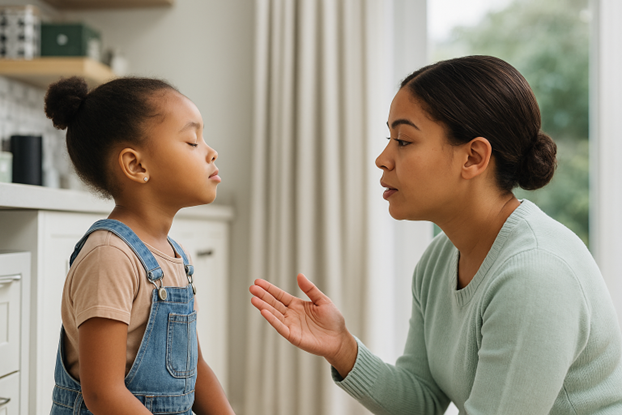

I’ve spoken with parents who worry deeply and understandably question: “When should I tell my child they’re adopted?” or “What if they find out some other way?” These fears are entirely normal. As a parent, your love is unconditional, but how and when you share this truth can shape your child’s identity and sense of security.
Here’s a guide to help you approach adoption openness in a way that builds trust, protects feelings, and honors your child’s growing understanding.
1. Start early—make adoption part of the everyday story
- Adoption experts recommend introducing the concept as soon as you bring your child home, even when they’re infants. This normalises the story as part of who they are, not a secret to be disclosed later.
- Use positive, clear language from the beginning. Talking about adoption in calm, matter-of-fact ways helps children grow up feeling secure in their identity.
2. Keep explanations age-appropriate—answer only what they ask
- Young children don’t need full details up front. Give simple truth tailored to their developmental level (“You were adopted because we wanted to create a family like we now have, and so we chose you”) and repeat or elaborate as they ask more questions.
- This prevents overload and ensures that curiosity guides the conversation, not an unwanted emotional flood.
3. Honesty protects trust
- If children discover they are adopted from someone else, friends, overheard gossip, or casual questions, it can deeply shake their trust. Experts say that honesty from the start preserves trust and fosters emotional safety.
4. Affirm that they were chosen, not abandoned
- Emphasise that they were chosen by you, because you wanted them as your child. Use language that reinforces belonging: “You’re no less a child of ours than one born to me.”
- Make them feel exceptional for who they are and loved deeply for simply being themselves.
5. Don’t let shame or guilt taint the story
- Never let phrases like “You were given away,” or “Your birth mom couldn’t take care of you,” hang in the air. Frame their adoption in terms of love and intentionality. Ensure that you broach this in a positive manner.
- Avoid labels that might imply something was “wrong” with them or their birth situation.
Conclusion
Telling your child they are adopted is not just a conversation, it’s the foundation of their identity, self-esteem, and trust in your family. Do it early, do it honestly, and let it be woven naturally into your storytelling. Every time you do, you’re reinforcing the message: You’re loved. You belong. You are ours.
Let’s Connect
If you’re navigating this journey and feeling unsure how to begin or proceed, I’d love to support you. Book a free, no-obligation 30-minute online meeting with me, and together we’ll explore how my 12 x 60-minute Peaceful Parenting Package Program can help you create warm, rooted, and resilient family relationships.
In our online meetings, I will share compassionate, age-appropriate ways to tell your child they’re adopted, helping them feel loved, secure, and proud of their identity. We will explore ways suitable for your child to ensure they feel secure and not afraid of being given away to a new family. We will explore potential questions and best answers to reinforce security and self worth.
Citations:
- American Adoptions – To Tell Your Child They are Adopted American Adoptions
- The Cradle – When is the Right Time to Tell Your Child They’re Adopted Cradle
- Adoption Council – Talking to Your Child About Adoption: Advice for Parents National Council For Adoption