Teens, School & Social Anxiety: A Parent’s Guide to Spotting Signs and Offering Support
Worried your teen is battling social anxiety at school? Learn the signs, what makes it worse, and practical at-home and school strategies, plus how I as your parenting coach can help.
Introduction
If your teen dreads group projects, avoids presentations, or says “my stomach hurts” every morning, these words tell a bigger story. Social anxiety can make school feel like a daily performance with a harsh audience. The good news: with steady support and small, well-planned steps, teens can build confidence and enjoy school again.
What Social Anxiety Looks Like in Teens (And How It’s Different from Shyness)
Social anxiety isn’t just being “shy.” It’s a persistent fear of being judged, embarrassed, or scrutinized that leads to avoidance and real distress. Over the years of my career in parenting coaching, I have visited many schools where I have often seen:
- Frequent school-day worries (especially before classes with presentations or group work).
- Avoidance (skipping oral reports, eating alone, avoiding clubs/sports).
- Physical signs (blushing, trembling, racing heart, nausea).
- Safety behaviors (rehearsing sentences, avoiding eye contact, needing reassurance).
What Can Make It Worse at School
Several common school pressures can amplify anxiety:
- Academic pressure and perfectionism. Fear of making a mistake in front of peers.
- Bullying or social exclusion. Past negative experiences reinforce fear.
- Social media comparison. “Everyone else is confident”; a distorted but powerful belief.
- Unclear expectations. Surprises (pop presentations, unstructured group work) raise uncertainty.
How Parents Can Help—Practical Strategies That Work
You don’t need to remove every challenge. The aim is support + gradual exposure, so confidence grows.
- Name it, normalize it, and validate feelings. “This is social anxiety and many teens feel this way. You’re not broken, and you’re not alone.”
- Shift the self-talk. Work with your teen to swap “Everyone will laugh at me” for “I might feel anxious and still get through this.”
- Plan gentle exposures. Build a ladder from easiest to hardest (e.g., saying “hi” to a classmate → asking a simple question in class → giving a short slide in a group presentation → leading a brief talk). Celebrate effort, not perfection.
- Practice skills at home.
- Calm-breathing and grounding before school.
- “Brain rehearsal” (two sentences, pause, breathe).
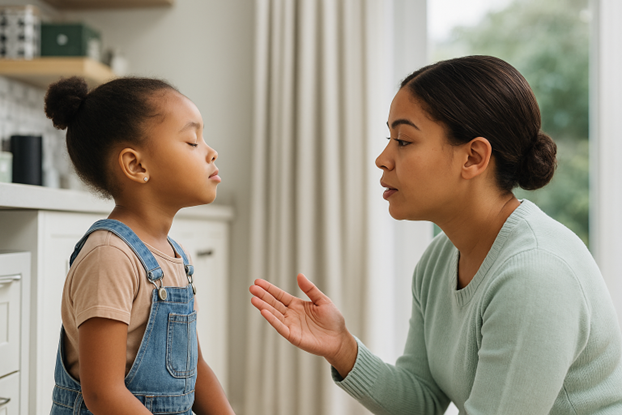
- Role-play: short, real-life scripts for greetings, group work, or asking a teacher for help.
- Tame the avoidance loop. Avoidance brings short-term relief and long-term growth of anxiety. Keep steps small but consistent.
- Tidy the digital diet. Curate follows, set screen limits at night, and introduce comparison-free zones.
- Prioritize basics. Sleep, balanced meals, movement, and predictable routines lower overall arousal and make exposures easier.
Partnering With the School
Most schools want to help, and clear, respectful collaboration goes a long way. Ask about:
- Predictability: advance notice for presentations, clear rubrics, and a right-sized role in group tasks.
- Flexible demonstration of learning: recorded practice run, smaller audience, or starting with a shorter speaking slot.
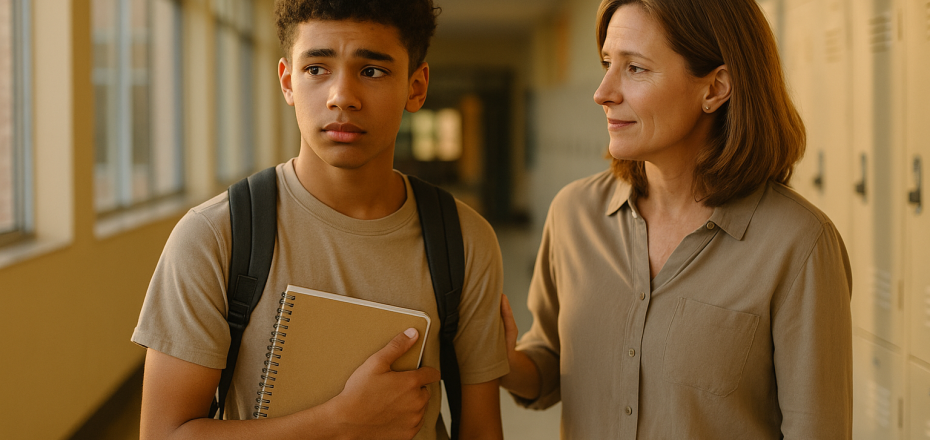
- A go-to adult: counselor or trusted teacher your teen can check in with.
- Bullying protocols: swift, confidential responses to concerns.
When To Seek Extra Support
If anxiety is causing school refusal, ongoing isolation, or declining grades, guided support helps. Cognitive-behavioral approaches, especially exposure-based skills, are highly effective for social anxiety. Medication can sometimes be considered as part of a broader plan, but skills practice remains core.
A Hopeful Note
Progress is usually gradual: small steps, repeated often. The aim isn’t “no anxiety ever”; it’s “I can do meaningful things even when anxiety shows up.” With the right plan and team, that being home + school + coaching, teens truly can thrive.
Let’s Talk—Free 30-Minute Online Meeting
If this sounds like your teen, let’s explore what’s going on and map out a first set of steps. Book a free, no-obligation 30-minute online meeting with me to see if we’re a good fit. If you’d like more structured support, we can discuss my 12 × 60-minute Peaceful Parenting Package Program—a practical, skills-based plan you can start right away.
Citations
- National Institute of Mental Health (NIMH): Social Anxiety Disorder—More Than Just Shyness (overview and treatments). National Institute of Mental HealthNIMH Information Resource Center
- NIMH: Statistics—Any Anxiety Disorder and Social Anxiety Disorder (prevalence in adolescents). National Institute of Mental Health+1
- American Academy of Child & Adolescent Psychiatry (AACAP): Facts for Families—The Anxious Child and Anxiety Resource Center (signs, school impact, parent tips). AACAP+1
- Child Mind Institute: Quick Guide to Social Anxiety Disorder and How Anxiety Affects Kids in School (school strategies, exposure-based skills). Child Mind Institute+1