
Reaching Out First: Why Taking the Initiative Builds Stronger Family Connections
Learn why reaching out first can resolve conflicts, strengthen communication, and set a positive example for your children.
The Power of Reaching Out
Conflict is part of being human. We all carry different personalities, beliefs, and ways of looking at life, and those differences sometimes create friction. Whether it’s with a friend, a family member, or a colleague, disagreements are bound to happen. What often makes matters worse is when both sides feel too proud to take the first step. When ego gets in the way, resolution becomes problematic. However, it doesn’t need to be that way.
Being the one who reaches out first can feel daunting, but more often than not, it pays off. Even if it doesn’t solve everything immediately, it opens a door to communication, and that’s the most important key.
Communication Over Ego
When pride and ego get in the way, silence takes over. Yet silence rarely resolves anything; it often deepens the divide. Someone needs to make the move, to say: “Let’s talk. Let’s find a way forward.”
Reaching out first shows strength, not weakness. It signals that you value the relationship more than winning the argument. It’s about compromise, finding middle ground, and creating a workable solution.
Parenting And the Power of Example
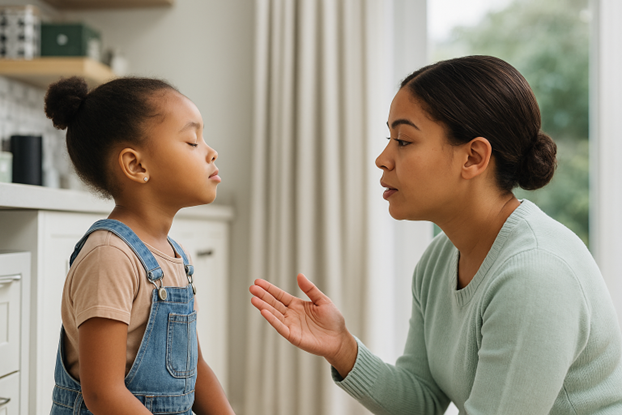
As parents, disagreements are natural, especially when it comes to raising children. You and your partner may have different views on discipline, routines, or priorities. That’s normal. But remember this: your children are always watching.
The way you communicate with each other becomes the blueprint for how they will handle conflict in their own lives. If they see you shutting down or refusing to talk, they’ll learn that avoidance is the answer. If they see you reaching out, listening, and resolving differences, they’ll learn that communication is the path to peace.
Teaching Conflict Resolution as a Life Skill
By modeling open, respectful dialogue, you’re giving your children one of the most valuable skills they can carry into adulthood: the ability to resolve conflict without letting pride get in the way. Life will present them with many disagreements, at school, at work, in their own relationships. Your example teaches them that communication and compromise are not just possible, but powerful.
Tip for Calm Communication
Don’t treat conflict like a competition or focus on “being right”, that’s ego getting in the way. Instead, keep calm and use non-confrontational language. Replace “you” statements with “I feel…” or “Can you say that again so I can be sure I’ve understood?” Consider statements that will not evoke inflammatory responses, for example: “Let’s look at finding a compromise that will work for us both.” This approach keeps the conversation open, respectful, and far more likely to lead to resolution.
Struggling With This in Your Own Home?
If this is something you’re battling with, know that you don’t have to face it alone. Reach out to me, your Parenting Behavioral Coach, for your free 30-minute introductory online meeting. You’ll have the chance to see if you feel comfortable, ask your questions, and explore how I can support you.
If you’d like to go deeper, my Peaceful Parenting Package Program offers 12 x 60-minute online meetings where we walk step by step through the challenges you may be facing. Over my 30+ years in practice, I’ve helped countless parents build healthier communication patterns and more peaceful homes, and I’d love to share those tools with you.
Citations: