
Parenting Behavioral Coach Roberta Shagam shares how parents can empower children to recognize red flags, build body autonomy, and speak up when something feels wrong.
Helping Your Child Understand What’s Not Okay
As a parenting behavioral coach, I often work with families navigating difficult conversations, none more important than the one around keeping your child safe from grooming and abuse. While we hope our children will never be exposed to danger, the reality is that predators often come disguised as trusted individuals, even within our own communities. Equipping your child with awareness, confidence, and the tools to speak up is one of the most powerful forms of protection you can offer.
Understanding How Grooming Happens
Most cases of abuse are not carried out by strangers. Research consistently shows that 90% of child sexual abuse is committed by someone the child knows, often a family member, coach, teacher, or neighbor. These individuals groom not only the child but the family as well, slowly earning trust before crossing boundaries.
The grooming process can include:
- Filling unmet emotional needs: Predators target children who seem vulnerable and present themselves as a support figure.
- Favoritism and gifts: The child may be singled out and given praise, attention, or presents, something to keep them invested and quiet.
- Secrecy and manipulation: The abuser may share personal secrets or involve the child in “taboo” activities (such as underage drinking or viewing inappropriate content) to create complicity.
- Blurring physical boundaries: Touch often starts subtly (like a hand on a leg) to test the child’s response before escalating.
If a child begins to feel uncomfortable and threatens to disclose what’s happening, the abuser may respond with threats, guilt-tripping, or claims that no one will believe them.
What Parents Can Do
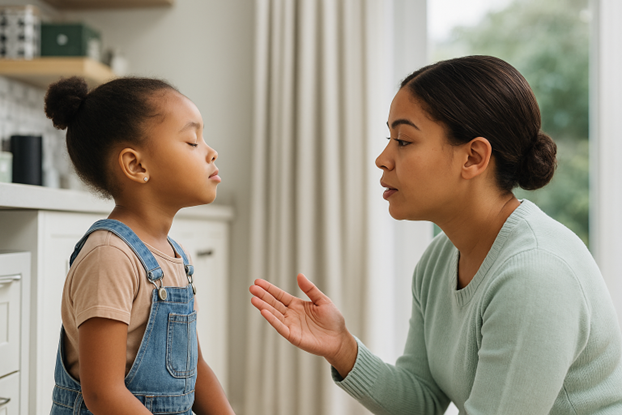
Children need to know what’s okay and what’s not. As a parent, your role is to help them recognize danger and feel confident about speaking up, without placing the burden of responsibility on their shoulders.
Here are a few ways to begin:
1. Build Body Autonomy and Trust
Respect your child’s instincts and boundaries. If your child expresses discomfort around someone, listen and validate their feelings. Never force affection or dismiss their unease. Make it clear that their body belongs to them.
2. Discuss Secrets Openly
Teach the difference between good secrets (like a surprise party) and bad secrets (those that cause fear or discomfort and go on indefinitely). Let your child know that it’s always okay to share uncomfortable secrets with you or another trusted adult.
3. Use Correct Anatomical Terms
Knowing the correct words for private parts empowers children to speak clearly and be understood if something inappropriate happens. It also helps reduce confusion and misinterpretation.
4. Watch for Red Flags
Be aware of adults who:
- Spend excessive alone time with your child
- Give gifts or attention without reason
- Try to isolate your child from family or friends
- Share secrets with your child
- Involve them in adult or inappropriate conversations
5. Create a Safety Network
Help your child identify 3–5 trusted adults they can go to if they feel unsafe, scared, or unsure. This could include parents, teachers, family friends, or relatives. Reassure them that telling one of these people, even about someone they care about, is a brave and necessary step.
When a Child Discloses Something
If your child opens up to you about inappropriate behavior, remain calm and composed. This can be extremely hard, but your reaction matters.
- Believe them. Affirm their courage.
- Avoid overreacting. Don’t rush to punish or confront the abuser in front of your child.
- Ask open-ended questions. Let the child guide the conversation.
- Write down what they say and seek professional help immediately.
Even if your child only shares part of the story, it’s often their way of testing whether it’s safe to say more. Reassure them that you’re there to protect and support them, no matter what.
If you’re finding it difficult to approach this topic with your child or feel unsure how to respond to warning signs, you’re not alone.
I offer one-on-one online sessions with parents to help navigate this complex and sensitive topic with care, compassion, and confidence. Together, we’ll explore how to create a safer environment for your child, one that empowers them and strengthens your connection.
Let’s work together to build a stronger, safer foundation for your family.
Book your free, no-obligation 30-minute online meeting today to learn more about my Peaceful Parenting Package Program.
Roberta Shagam
Parenting Behavioral Coach
Empowering parents with practical tools and emotional support.
Citations:
- National Child Traumatic Stress Network: Child Sexual Abuse