

As your Peaceful Parenting Coach, with over 30 years of experience supporting families, I’ve witnessed firsthand how the digital age has transformed childhood. Screens are now a constant presence, but so are the concerns that come with them. Are our kids missing out on something vital? The answer, in many cases, is yes.
Balancing technology with fresh air, face-to-face connection, and physical activity is no longer just nice to have, it’s essential to your child’s emotional, social, and physical wellbeing.
Discover why outdoor play, exercise, and socialising are essential for your child’s development—and how to manage screen time without the guilt.
The Importance of Real-Life Experiences
Children are wired to move, explore, interact, and play. Outdoor activities and social play promote:
- Emotional regulation
- Confidence and independence
- Physical health and motor skill development
- Creativity and cognitive growth
When kids play outside, whether it’s running in the yard, kicking a ball, or climbing trees, they’re not just burning energy. They’re also learning to solve problems, handle frustration, and navigate relationships.
A study published by the American Academy of Pediatrics found that unstructured outdoor play is one of the most beneficial experiences for healthy brain development.
The Risks of Too Much Screen Time
It’s no secret that children are spending more time indoors, often glued to tablets, TVs, or phones. While technology has its benefits, too much screen time has been linked to:
- Sleep disturbances
- Delayed language development
- Poor emotional control
- Reduced attention span and concentration
In fact, the World Health Organization recommends no more than one hour of screen time per day for children under five. For older children, boundaries are just as crucial, especially when screen time starts replacing playdates, family interaction, or physical activity.
How to Create Balance
The goal isn’t to ban screens altogether, but to use them mindfully and keep your child’s developmental needs front and centre. Here are some practical tips:
- Set clear and consistent screen-time limits based on age and activity levels.
- Schedule outdoor time every day, even a 20-minute walk can do wonders.
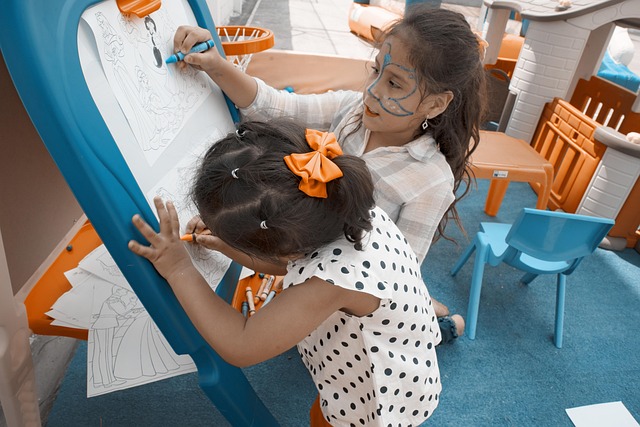
- Encourage playdates, sports, and hands-on hobbies like puzzles, drawing, or building blocks.
- Model balanced tech habits yourself: if you’re outdoors, bring them with you!
When children see us prioritising nature, relationships, and movement, they’re more likely to follow suit.
It’s Not About Perfection. It’s About Intention.
Every family is different, and life gets busy. I’m not here to judge—I’m here to help. As parents, we’re doing our best, and sometimes screens are necessary. What matters is that we stay aware and make thoughtful choices that support our children’s long-term wellbeing.
If you’re concerned about your child’s screen habits or wondering how to create more outdoor or social opportunities, let’s talk.
Let’s Create a Healthier Routine Together
I offer a free, no-obligation 30-minute online meeting where we can explore your parenting concerns, discuss your family’s unique dynamic, and see if my tailored 12 x 60-minute meetings, the Peaceful Parenting Program might be the right fit for you.
Over the years, I’ve shared tools and strategies that really work, but they only work when you, the parent, are ready to implement them.
If you’re ready to take that step, I’d be honored to walk alongside you.
Contact me today.
Citations:
Ginsburg, K. R. (2007). The Importance of Play in Promoting Healthy Child Development and Maintaining Strong Parent-Child Bonds. Pediatrics, 119(1), 182–191. https://doi.org/10.1542/peds.2006-2697
World Health Organization. (2019). Guidelines on physical activity, sedentary behaviour and sleep for children under 5 years of age. https://www.who.int/publications/i/item/9789241550536