In my experience as a parenting coach, I have often had parents discuss their children’s relationships. Of course, there’s been a mixed bag of scenarios from being great friends and looking out for each other, to conflict and rivalry. It has led us to examine the relationships that parents themselves have had with their siblings.
I decided to write an article about sibling relationships and how they influence a child’s personality, social skills, and self-esteem.
Let’s explore tips for parents to nurture positive sibling dynamics.
How Siblings Shape Identity and Emotional Growth
Sibling relationships are among the longest and most formative connections in a person’s life. From rivalry to unconditional loyalty, the dynamics between brothers and sisters can profoundly influence the way children see themselves and relate to others. Whether it’s through shared experiences, conflicts, or the lessons they teach each other, siblings help shape emotional intelligence, confidence, and even lifelong personality traits.
More Than Just Playmates
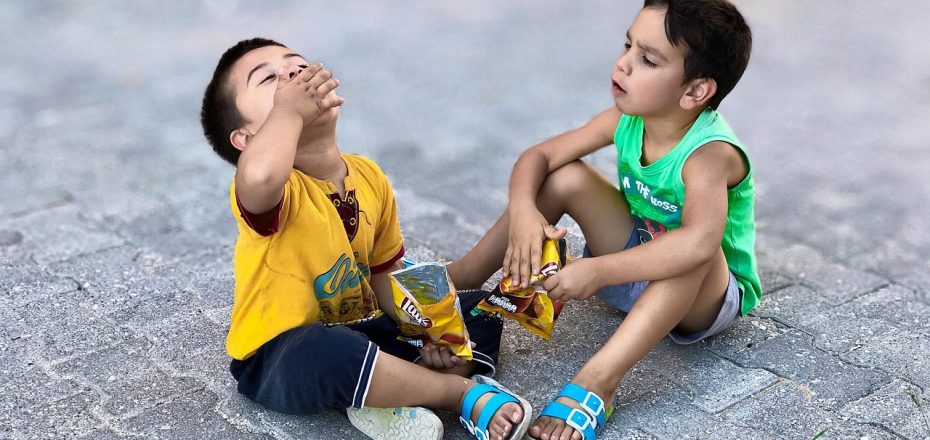
Siblings are a child’s first peer group. They provide a training ground for exploring emotions, resolving conflict, sharing resources, and practicing empathy. Unlike relationships with parents, who hold authority, sibling interactions are more balanced, offering children a unique space to test boundaries, negotiate, and develop independence.
Older siblings may model behaviour, offering guidance (or misguidance) that younger siblings absorb. Younger siblings, in turn, challenge the eldest to exercise patience, leadership, and adaptability. These exchanges help both parties develop a sense of identity not in isolation, but in response to each other.
Identity Formation in Sibling Context
Research shows that children often define themselves in contrast to their siblings. If one child is academically inclined, the other may seek distinction through creativity or sport. This “de-identification” helps each sibling carve out a unique space within the family structure. While this can reduce direct competition, it can also contribute to a lifetime of perceived differences, both positive and negative.
Parental attention plays a big role. When one child is consistently praised for a certain trait, the other may gravitate towards areas where they feel they can succeed independently. Parents should be mindful not to box their children into fixed roles like “the responsible one” or “the wild one,” as these labels can be limiting and self-fulfilling.
I urge you to read my article on Favoritism (insert link) The Hidden Harm of Favouritism: Why Every Child Deserves to Feel Equally Loved
When Should Parents Intervene
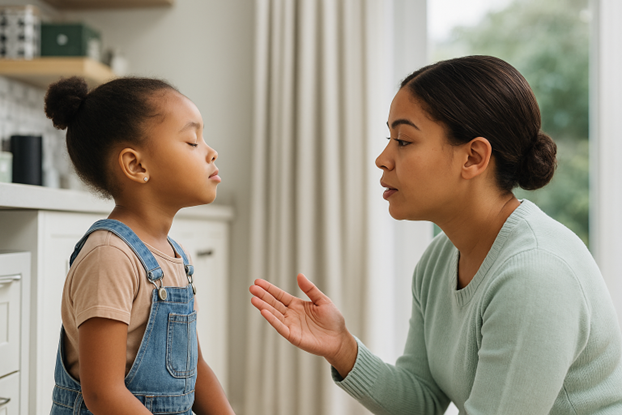
This is one of the most common questions I get asked. Parents come to me feeling guilt and shame. They say that they just lashed out, took sides and actually caused more problems.
My advice:
Parents should intervene in sibling conflict when there is a risk of physical harm, ongoing emotional distress, or a clear imbalance of power, such as bullying or manipulation. While minor disagreements can help children build conflict resolution skills, constant fighting, name-calling, or one sibling consistently dominating the other signals the need for parental guidance. Intervention should focus on teaching healthy communication, setting boundaries, and helping each child express their feelings respectfully, rather than simply assigning blame or forcing apologies.
This is where I can help you as a parent to acquire the tools to manage these situations.
Nurturing Healthy Sibling Bonds
Sibling rivalry is natural, but it doesn’t have to dominate the relationship. Encouraging cooperation over competition helps siblings see each other as allies, not adversaries. Simple practices can help, such as:
- Teaching conflict resolution rather than always stepping in.
- Fostering team-based activities, where success depends on working together.
- Avoiding comparisons, which can spark resentment and insecurity.
- Allowing one-on-one time with each child to meet their individual emotional needs.
When nurtured with care, sibling bonds can become a lifelong source of support and security, helping children develop resilience, empathy, and a strong sense of self.
The Long-Term Impact of Sibling Dynamics
Sibling interactions don’t just affect childhood; they echo into adulthood. Adults often carry the emotional imprints of these early relationships into their friendships, partnerships, and parenting styles. A strong, healthy sibling relationship can act as a buffer against stress and even promote better mental health in later years.
Conversely, unresolved sibling tensions can create lasting wounds. That’s why guiding children to communicate openly, respect differences, and build emotional safety with their siblings is one of the most valuable gifts a parent can give.
Ready to Create a Stronger, More Connected Family?
Let’s talk about how sibling dynamics are shaping your child’s development. Book your free, no-obligation 30-minute online meeting with Roberta Shagam and explore how the 12 x 60-minute Peaceful Parenting Package Program can help your family grow together in harmony.
Citations:
- American Psychological Association – Improving sibling relationships
https://www.apa.org/monitor/2022/03/feature-sibling-relationships verywellmind.com+14apa.org+14en.wikipedia.org+14 - NIH / PubMed Central – Sibling Relationships and Influences in Childhood and Adolescence (McHale, Updegraff & Whiteman, 2012)
https://www.ncbi.nlm.nih.gov/pmc/articles/PMC3956653/