In my many years of coaching, I have dealt with parents who have said to me that they favor one child over the other, not that they love them less, but they have a personality connection that just fits better than it does with their other children. They ask me for guidance as to what they can do. They feel guilt and shame. I always say that I admire them for recognizing their feelings, acknowledging them and showing up for help.
In this article, I am going to unpack why showing favoritism among children can cause deep emotional damage and how to create a more balanced, parenting approach that nurtures all siblings equally.
I hope that if you’ve come across this article and warning bells start to alert you to what you possibly weren’t consciously aware of, you will come forward into our safe and non-judgemental space to address this matter now.
When One Child Feels More Loved, and Another Doesn’t
As parents, we love all our children deeply, but that love doesn’t always feel equal to them. Even unintentional acts of favoritism, like praising one child more, spending more time with them, or defending them more often, can quietly shape the emotional health of siblings.
Favoritism is often subtle. You may connect more easily with one child due to shared interests or personality. Perhaps one child simply demands more attention due to health, age, or behavior. Still, the emotional impact on siblings who feel less favored can be long-lasting and painful.
How Favoritism Impacts Siblings and Family Harmony
How Favoritism Shows Up, Even When You Don’t Mean It
- Praising one child publicly more often than the other
- Always siding with one sibling during conflict
- Giving one child more privileges or responsibilities
- Comparing siblings; “Why can’t you be more like your brother?”
- Spending more one-on-one time with one child and not balancing it out
According to a study published in the Journal of Family Psychology, children who perceive unequal treatment by their parents report higher levels of anxiety, depression, and lower self-worth, even into adulthood.
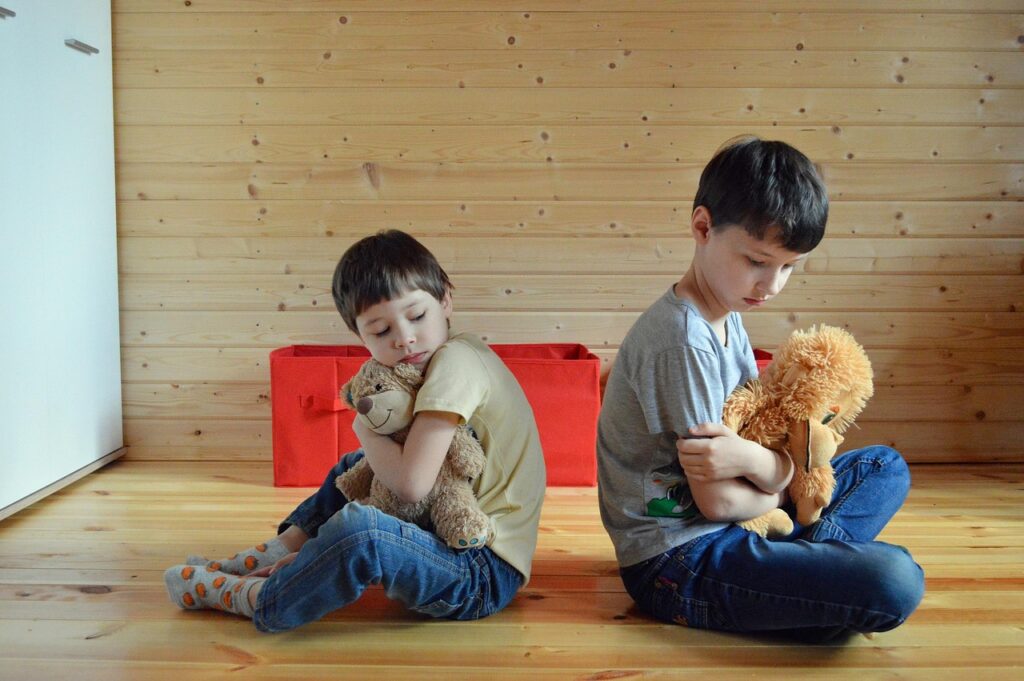
The Emotional Toll on Siblings
The “Unfavored” Child
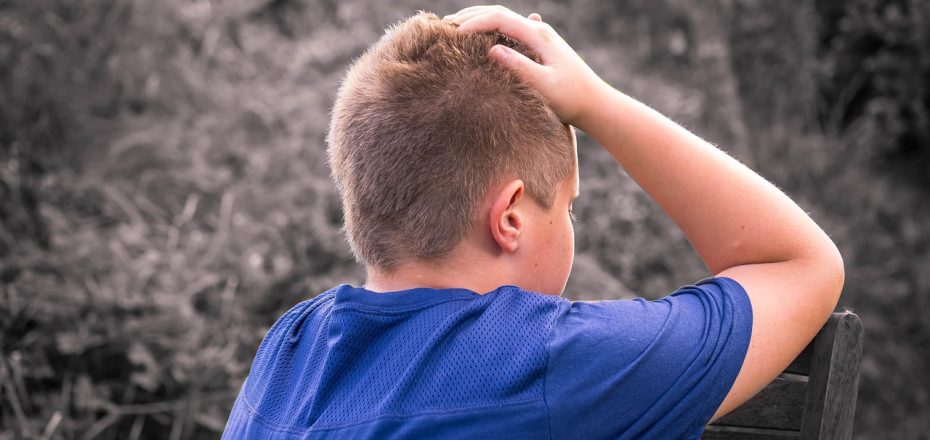
Children who feel less favored may internalize beliefs like “I’m not good enough” or “I have to earn love.” This can lead to:
- Low self-esteem
- Behavioral issues as a cry for attention
- Sibling rivalry or resentment
- Long-term relationship struggles and people-pleasing behavior
The “Favored” Child
Surprisingly, being the “favorite” isn’t always a gift. These children may struggle with:
- Guilt over their sibling’s treatment
- Pressure to maintain perfection
- Tense sibling relationships
- Confusion about their own worth outside of praise
According to child development expert Dr. Ellen Weber Libby, author of The Favorite Child, the long-term emotional cost of favoritism can fracture sibling bonds for decades.
Restoring Balance—Steps to Create Equal Emotional Ground
1. Reflect Honestly
Ask yourself: Do I naturally gravitate toward one child? Why? Being honest with yourself is a powerful first step.
2. Name and Affirm Each Child’s Unique Strengths
Avoid comparisons. Instead of “You’re so much better at math than your sister,” try “I really admire your perseverance with homework.”
3. Schedule One-on-One Time Equally
Kids don’t need grand gestures. Just 15 minutes of undivided time doing something they enjoy can reinforce a sense of emotional equity.
4. Let Each Child Be Seen and Heard
During family conversations, ensure everyone gets to speak and contribute. Equal voice = equal value.
5. Apologize If You’ve Missed the Mark
Parents are human. A heartfelt, “I realize I may have been giving your brother more of my attention lately, and I’m truly sorry,” can go a long way in repairing trust.
Acknowledge and Connect
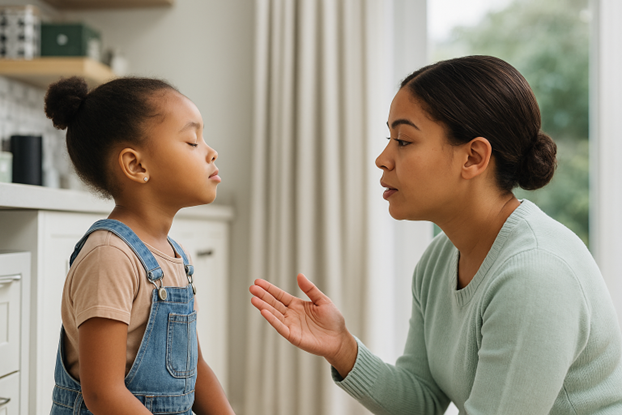
When a new baby arrives, especially after a wide age gap, or when a child with special needs is part of the family, it’s natural for the older or other sibling to feel displaced, overlooked, or quietly hurt. While the new arrival may genuinely require more hands-on attention, it’s vital to acknowledge the emotional experience of the other child.
One of the most powerful things a parent can do is gently prompt a conversation: “I know things feel a bit different lately, how are you feeling about it all?” This validates their emotions and invites connection.
Invite the child who may be feeling misplaced to be a part of the dynamic where possible and appropriate. “Perhaps you’d like to help me wash your brother’s hair?” “Would you enjoy that?” “What activity would you like to join in with me and your sister? I’d love you to be a part of what we do.”
Remember to keep the invitations age appropriate and to steer away from making the other child feel he is merely doing a chore.
If you need him to help you, be sensitive as to how you word the question. “I know how well you tidy your room. I’ve watched you do it so nicely. Please could you help me tidy your brother’s room. Let’s do it together. Shall we go to the park afterwards once we’re done”
In our meetings we can discuss the fine line between asking a child for help and rewarding the deed. Children cannot only help if they think and expect they’re going to always be rewarded. Sometimes, they need to learn that it’s ok to help without a reward because it’s an act of kindness and teaches them values. This is an area that I have seen parents struggle as rewards motivate. However, we don’t want to create adults who go through life with a “what’s in it for me?” attitude. We need to create balance and show appreciation, irrespective of how young they may be. Verbalising appreciation is healthy. As your child’s role model, they too will mimic your behavior.
Parts of the Peaceful Parenting Puzzle
Affirmation, acknowledgement, connection, and communication are invaluable elements of raising children. These are all parts of the peaceful parenting puzzle that fit together to create a happy and harmonious home.
Equally important is creating regular one-on-one time with that child, even if it’s just an hour of undivided attention doing something they enjoy, as often as you are able. It sends a clear, reassuring message: “You still matter. Our bond is still strong. I see you.”
As children grow, develop and mature physically, so too does their emotional and mental health. The messages we send to children, whether on a subliminal level or not, are the bricks that build their foundation of self-esteem. With the absence of affirmation, acknowledgement, connection, and communication, the cement is missing to solidify the bond. A shaky or absent foundation forms the springboard to anxiety, depression, addiction and various unhealthy manifestations.
The Tried and Tested Toolkit
Your greatest gift is the awareness of recognizing, acknowledging and fixing. You don’t need to do it alone. The toolkit that I share with you has been tried and tested over three decades with parents who started where you are right now. Working collaboratively and following the steps I have given them has resulted in a warm loving and nurturing home.
We too can achieve that together.
Remember, I’m here to guide you every step of the way. When you show up with intention, the work in progress is steady and fulfilling.
Final Thoughts
Favoritism doesn’t have to be intentional to be impactful. As parents, our role is to notice, acknowledge, and adjust, ensuring each child feels seen, safe, and deeply loved. When we offer emotional balance in our homes, we raise children who value themselves and each other.
If you’d like guidance on how to restore harmony and connection between siblings, or reflect on your parenting style in a safe, supportive space,
contact me to book a free, no-obligation 30-minute online meeting.
We’ll explore how my 12 x 60-minute Peaceful Parenting Package Program can help your family thrive with more love, more fairness, and more peace.
Citations:
- Journal of Family Psychology – Parental Favoritism and Sibling Relationships:
https://psycnet.apa.org/doi/10.1037/fam0000125 - Child Mind Institute – How Favoritism Affects Children:
https://childmind.org/article/how-favoritism-affects-children/