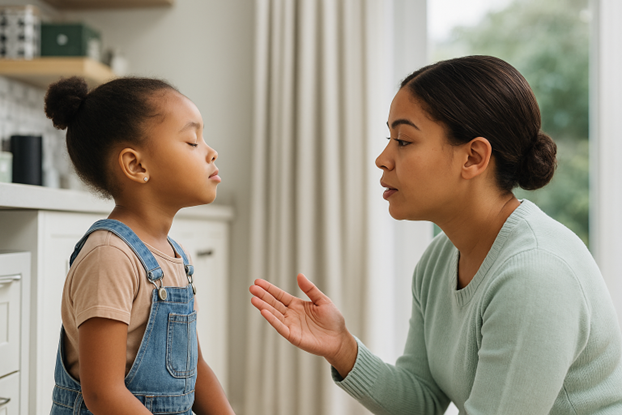
Many a parent has cried to me, and continues to do so, that their mornings are so out of whack. More than talking about the previous night, like how did your child sleep, did they go to sleep surrounded by calmness and enveloped with love, and how prepared are you for the morning, we often need to explore beyond those conversations.
Let’s uncover seven proven morning habits that help children feel calm, focused, confident, and ready for the day, with practical tips and science‑backed benefits.
Why a Healthy Morning Routine Matters
A well-crafted morning routine does more than send kids out the door on time, it sets the stage for emotional regulation, focus, confidence, and strong family connection. Research shows that consistent routines help children feel safe, support self-regulation, and reduce anxiety
Let’s look at implementing the following tried and tested habits.
- Habit 1 – Wake Up Early and Gently
Starting the day with natural light and a calm wake-up helps reduce cortisol spikes. Getting up just 15–30 minutes earlier eliminates rush and gives your child a moment to wake calmly.
- Habit 2 – Hydrate First Thing
A glass of water immediately after waking jump-starts the brain and body. Hydration helps children feel more alert and supports digestion and concentration.
- Habit 3 – Move the Body
Just 5–10 minutes of light exercise or stretching releases mood-boosting endorphins and increases blood flow, enhancing cognitive function and energy.
- Habit 4 – Enjoy a Healthy Breakfast
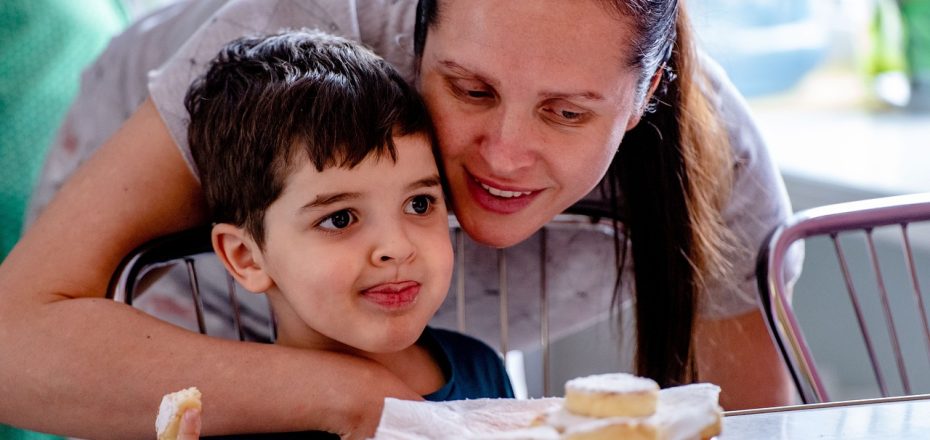
A balanced breakfast, including protein, fruits, grains, and healthy fats, helps stabilize blood sugar and supports concentration, learning, and problem-solving skills. Eating breakfast together with your child is a perfect opportunity for bonding and discussing the day ahead.
- Habit 5 – Keep It Tech-Free
Avoiding screens in the morning enhances attention, creative play, mood, and family bonding. Studies show less distraction and better emotional health when children start their day without digital devices.
- Habit 6 – Practice Gratitude or Set a Mini Goal
Encouraging kids to share one thing they’re grateful for, or set a small intention boosts positivity, confidence, and emotional resilience, all in just a minute or two.
- Habit 7 – Involve Kids in Planning
When children help design their morning routine, choosing breakfast options or picking out clothes, they develop a sense of ownership, independence, and responsibility.
Tips for Success when Following the Morning Routine
- Anchor points matter: Wake time, breakfast time, toothbrush time, these predictable moments help structure the day.
- Visual supports: Use picture boards or checklists to help young children follow steps.
- Keep it flexible: Routines thrive when they adapt, softly adjust as kids grow or schedules shift.
- Celebrate effort: Acknowledge even small acts: “Great job getting dressed yourself!” It builds confidence and positivity.
Building Consistency and Structure
A daily routine isn’t just practical, it’s healing. Regular habits help children feel secure. According to Zero to Thrive, routines build self-regulation and resilience over time. Implementing such habits, tapered to be age appropriate, set the stage for a tranquil and organized start to the day. It eliminates the frenzy that leads to an unsettling goodbye, which doesn’t bode well for parent or child for the day ahead.
Children of school going age who have such routines in place are more receptive to concentrating and absorbing information in the classroom. Their general overall performance is better.
Children adapt to routines from early in their lives.
The structure and content of the program merely changes according to their age and activity.
It starts the night before. While we all enjoy living with flexibility, we have established that children thrive with routine and structure. Plan and prepare are my keywords to parents. An organized home cancels out chaos. I am not suggesting a militant rigid and inflexible routine, but one whereby your child knows what to expect and is thus met with far less resistance.
Create a time chart so that your child is familiar with the evening routine. This also provides structure for the family so that there is calmness within the organization thereof.
For example:
(Fill in reasonable times with sufficient window periods for each activity)
- Completing homework (if age appropriate).
- Ensure that all necessary requirements are met for the following day, whether it’s specific materials for extra mural activities, or a gym bag to be packed with a change of clothing.
- Laying out clothes for the following day.
- Involvement with chores to ensure responsibility. For example, feeding the family pet.
- Bath time.
- Dinner.
- Brushing teeth.
- Family time without devices.
- Toilet time.
- Story time.
- Bedtime.
Final Thoughts
Morning and evening habits aren’t just routines, they’re rituals of connection, focus, and calm that shape how children experience each day. By starting mornings with intention, parents help children feel safe, empowered, and ready to learn.
When a child goes to sleep having had a peaceful evening and a loving connection and bonding time with their child, the household is happier and the family sleep well. We all know the benefits of a good night sleep.
Would you like to create a peaceful, purposeful morning and evening routine that supports your child’s growth, and your family’s calm?
Contact me to book a free, no‑obligation 30‑minute online meeting. We’ll explore your family’s unique morning rhythm and discover how my 12 x 60‑minute Peaceful Parenting Package Program can help you nurture stronger, calmer connections, right from the start.
Citations:
- “The Importance of Creating Habits and Routine.” PubMed Central (PMC).
https://www.ncbi.nlm.nih.gov/pmc/articles/PMC6378489/ - “How Routines Help Kids’ Mental Health.” Kids Mental Health Foundation.
https://kidsmentalhealthfoundation.org/mental-health-resources/mental-wellness/kids-routines - “Morning routine for school: practical tips.” Raising Children Network.
https://raisingchildren.net.au/school-age/school-learning/school-homework-tips/morning-routine-for-school - “How to create a daily routine for kids.” Children’s Health.
https://www.childrens.com/health-wellness/how-to-create-a-daily-routine-for-kids